
150th Year Celebration
150th Celebration Events
2nd - 3rd May 2026
Saturday 2nd May
A Colloquium, 10am - 12:30pm
ON THE THEME
Unity in a polarising age: Living the gospel at a time people are dividing into siloed camps.
Burns Hall, First Church of Otago
Moray Place
Dunedin
RSVP to Kerry Enright
kerryenright@xtra.co.nz by 24th April 2026.
Cost: $10 at door
Knox Centre for Ministry and Leadership, 2pm-4:30pm
On Saturday 2nd May, you are invited to the Knox Centre for Ministry and Leadership (KCML) from 2pm–4:30pm. There will be guided tours of KCML and the Knox College complex. Afternoon tea will be provided and a curated time of sharing of memories and experiences from 3:30pm.
Limited parking is available in the KCML car park (Arden Road entrance) of at the front of the Knox College entrance.
(No RSVP required)
Sunday 3rd May
150th Anniversary event – Seated Sunday Lunch 3rd May @ 12.30pm
Venue: Moa Function Room at Cobb and Co, in the Dunedin Railway Station - approach by Anzac Ave only
Menu: Buffet includes main, dessert, tea and coffee
Cost: $35.00 per person. (The full meal cost is $45 per person and is subsidised by KCML at $10 per person.)
Cost of drinks are not covered. Drinks can be purchased from the bar.
Please register your interest below – by no later than 5pm on Wednesday 29th April.
Should you have further enquires relating to this event please contact: registrar@knoxcentre.ac.nz
Knox Church (Dunedin), 7pm
There will be a worship service of thanksgiving and celebration at Knox Church (449 George Street, Dunedin) at 7pm. The service will be led by Very Rev Dr Graham Redding and Rev Margaret Garland. The Moderator-Designate, Rev Dr Murray Rae, will be preaching. You are invited to join us for supper afterwards. Words of greetings will be given by invited guests.
Share Your Story
As we celebrate 150 years of the Knox Centre, we invite you to share your story, memories, or reflections to help us honour the people, moments, and journeys that have shaped this community across generations.
Celebration Stories
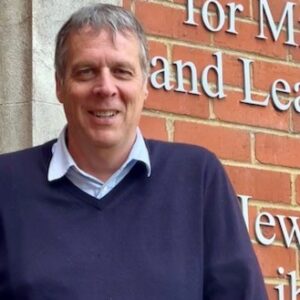
Geoff New
I arrived at Knox Theological Hall at the beginning of 1996 having completed an undergraduate degree at Laidlaw College (formerly Bible College of NZ). I had little to no understanding of what to expect in terms of the training programme. Upon arriving, I discovered this was the year that the relationship with Otago University had…
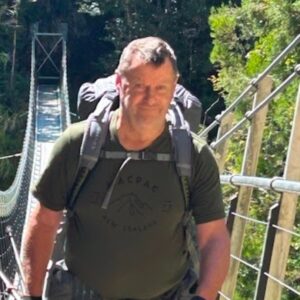
Martin Stewart
I was 25 years old when I entered the Hall – part of an intake of 17 or 19 people! We were a mixed lot that year! A merry mixture of naivety, suspicion, readiness and unreadiness – mostly male – but we got on well together. I was grateful for the people in the two…
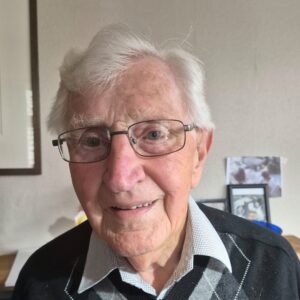
Maurice Andrew
I was drawn to train at the Theological Hall (TH) because I had known a call as a teenager, influenced by my parents who had been Salvation Army officers before my father became a Presbyterian minister. An experience at a Knox social event still makes me smile: I was listening to a conversation between, Profs…
150 Year Timeline
Foundation of the Theological Hall
After the University of Otago was established in 1869 with the pivotal support from the Synod of Otago and Southland, Synod was committed to the provision of theological education in Dunedin. However, there was a conundrum which is best described by Ian Breward in his book Grace and Truth: “The problem was that the University was not a religious foundation. It would have been legally and practically impossible to teach Reformed Theology, with the close relationship to the Church which Otago Presbyterians believed was essential. The solution was for the Synod to establish its own Theological Hall or College.”
The Theological Hall 1876-1996
The focus during this period is theological education, with attention to the four classical disciplines of Old Testament, New Testament, Theology and Church History. There are some opportunities for practical experience in ministry in churches but it is not a priority.
1876
The Theological Hall appoints Rev. William Salmond as the first Professor of Theology. He is assisted by two local ministers, Rev. Michael Watt and Rev. Donald Stuart and classes are held in his own house.
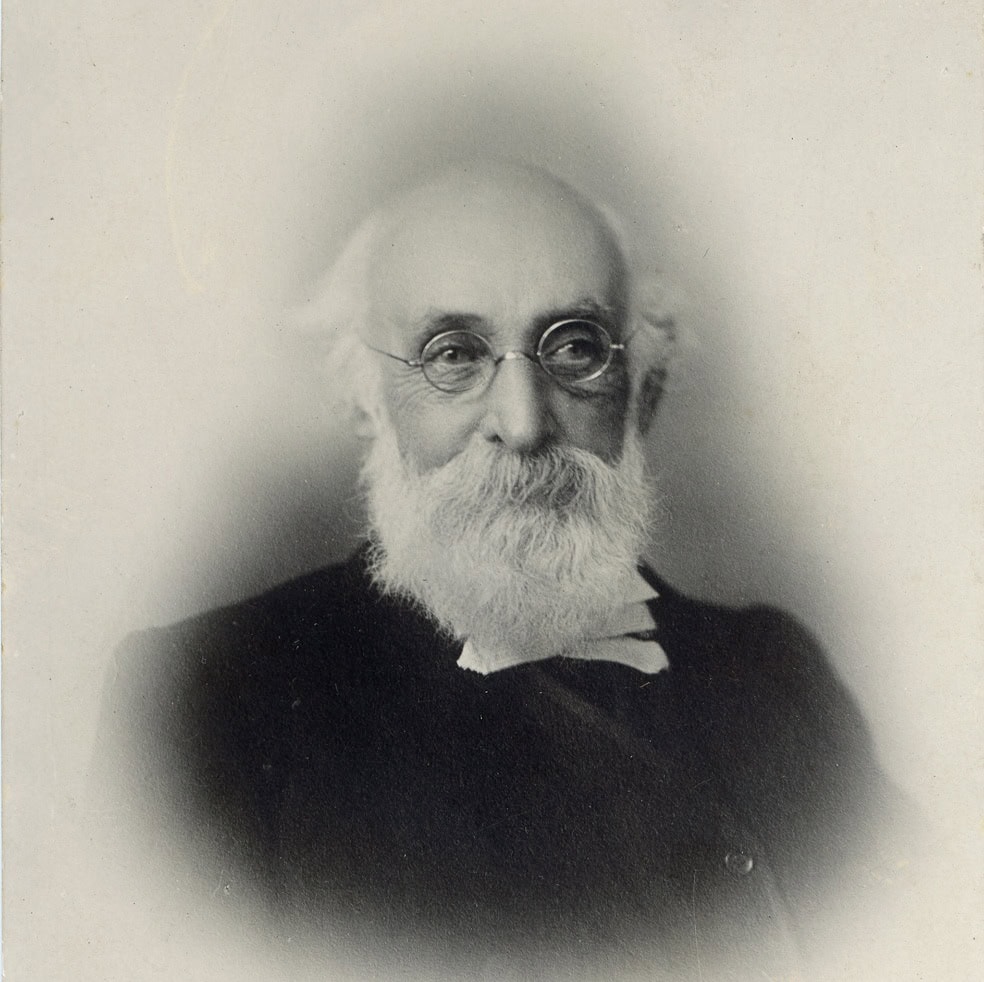
Professor William Salmond, c1915
1901
With the Union of the Southern and Northern Presbyterian Churches, the Theological Hall becomes the national centre for training for the Presbyterian Ministry. The curriculum is solidly academic, with a focus on languages, Systematic and Practical Theology, Apologetics, Church History and the study of the Old and New Testaments.
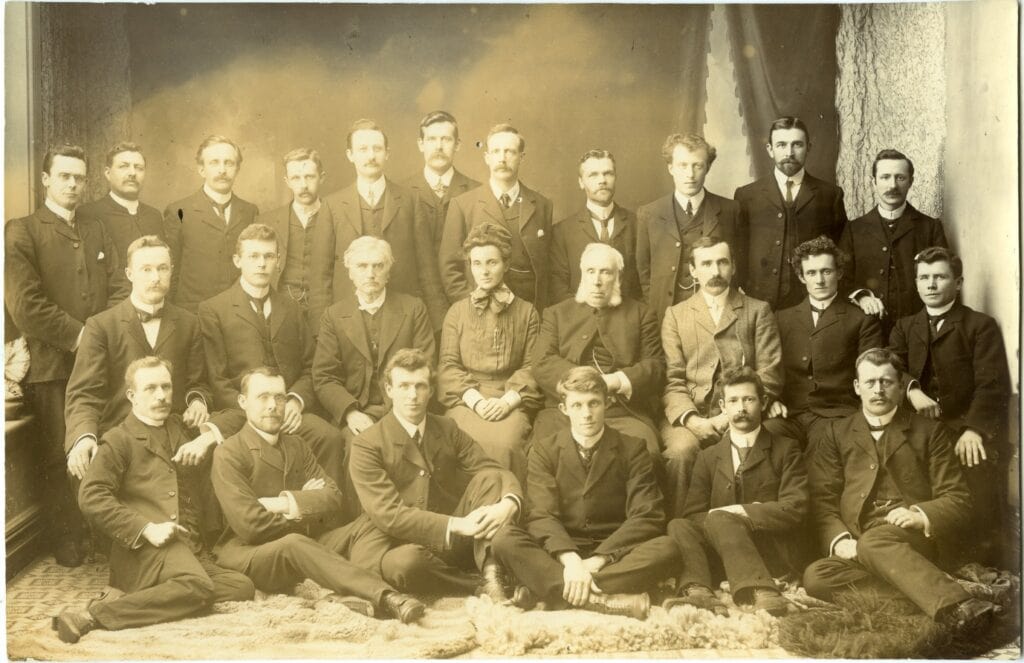
Theological Hall Class 1905.
1909
On 23rd June 1909 Knox College opens. The College opens free of debt with only forty-one people contributing. The College provides a home for the Theological Hall as well as serving as a residential hall for male university students. The curriculum changes, with the introduction of practical subjects such as pedagogy (teaching) and voice production.
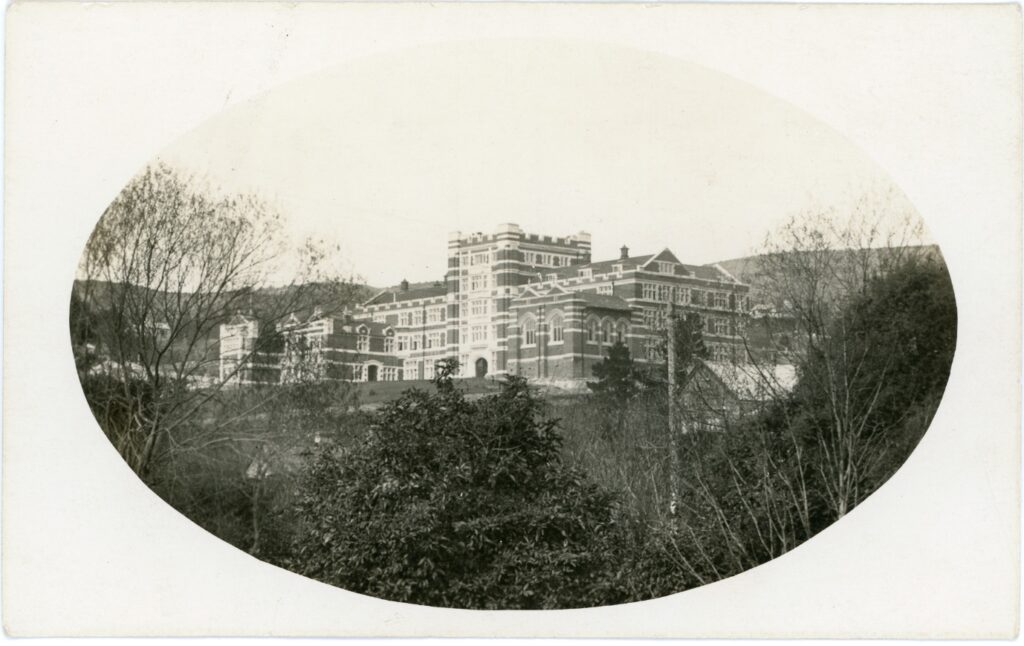
View of Knox College, c1912
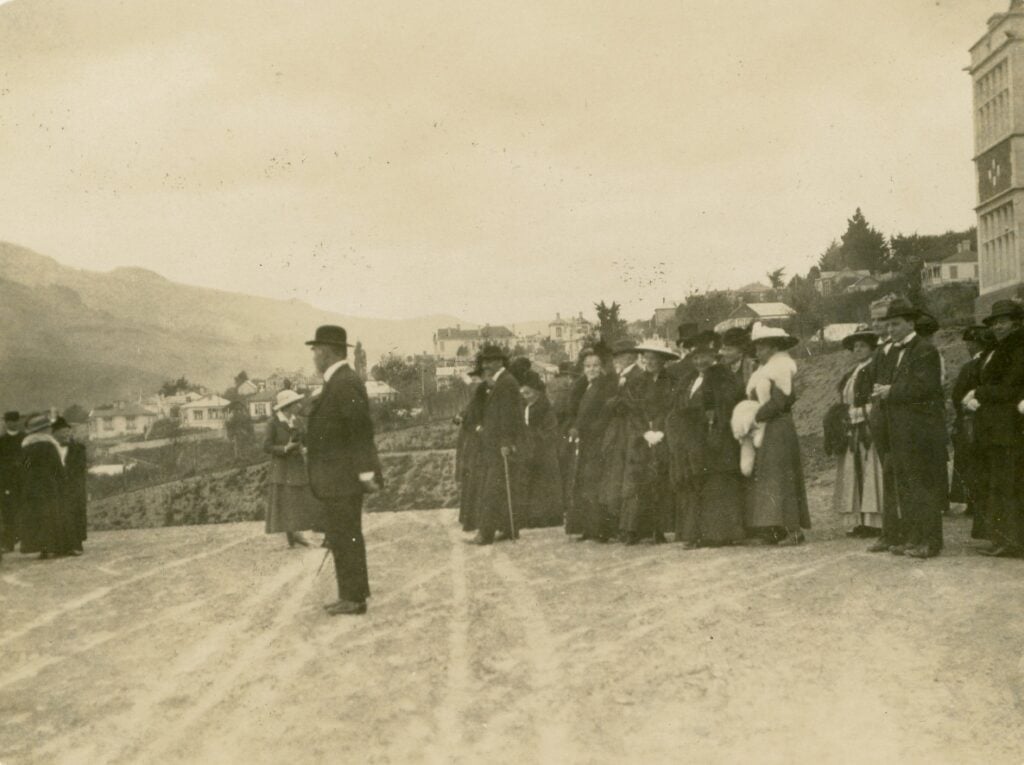
Knox College early days.
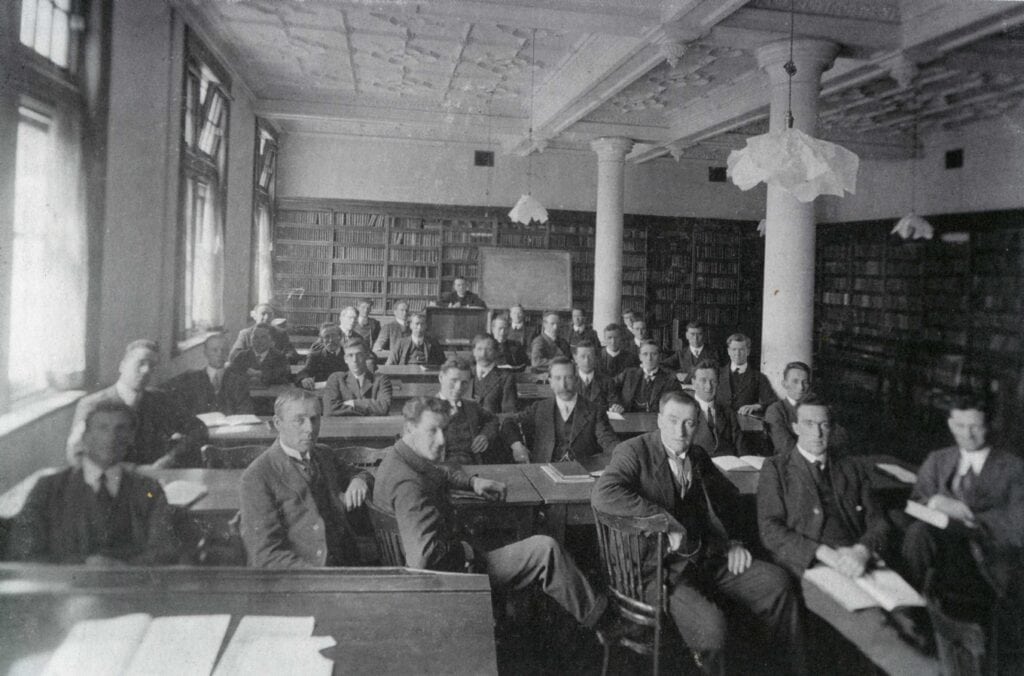
Theological Hall students studying, c1912
1928
Rev. Dr John Dickie had been teaching at the Hall since 1910 and in 1928 he is appointed to the newly created position of Principal. He leads the Hall until 1942, through years marked by economic depression and the legacy of the First World War.
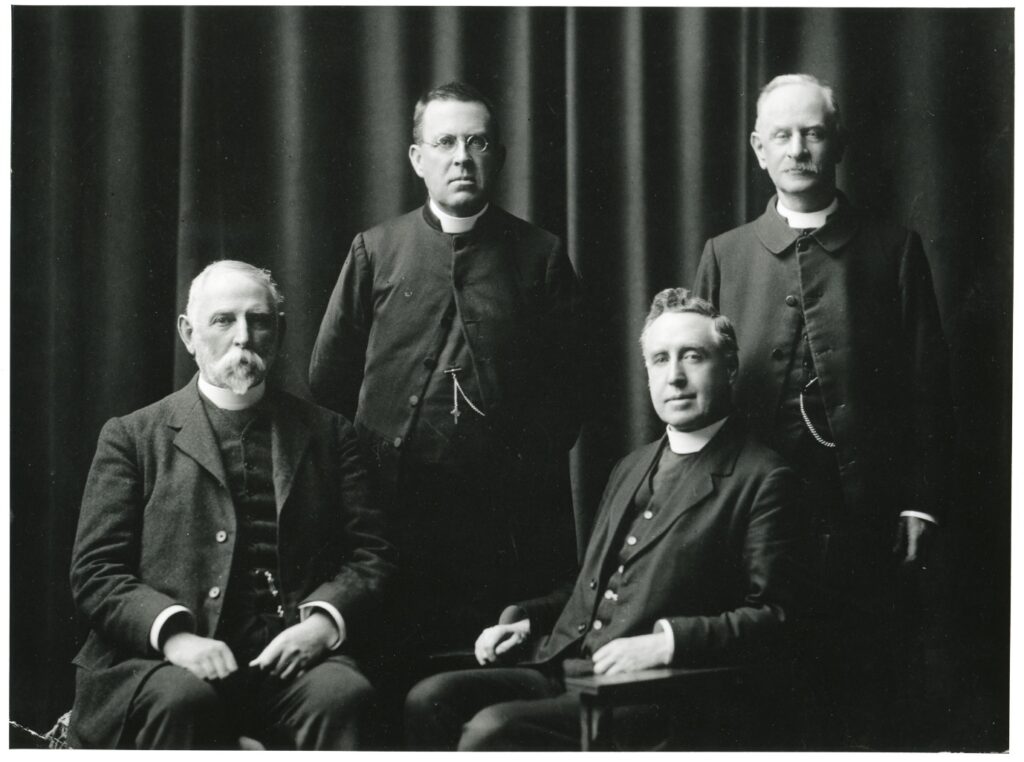
Professors of the Theological Hall - Rev. Prof. William Hewitson; Rev. Dr John Dickie; Rev. Alfred John Davis, and Rev. Hames Cumming, 1920.
1943
Rev. Dr S. F. Hunter appointed Principal.
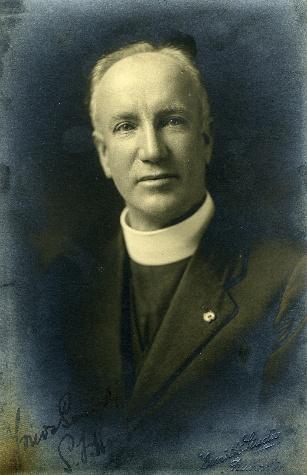
Rev. Dr Samuel Hunter
1946
Faculty of Theology established at University of Otago. Teaching of Bachelor of Divinity (graduate degree) commences. Up until this time, the Theological Hall’s qualification was an internal one for the Presbyterian Church.
1947
In 1947 Rev. Dr John Allan appointed as Principal of the Hall. In the Post-War period many students were older and had returned from service overseas. Many had families and now live out of College. John Allan leads the Hall until 1962.
1954
In 1954 Helmut Rex appointed the first Dean of the Faculty of Theology. Helmut Rehbein (Rex) and his wife, Renate, arrive in Dunedin in 1939 as refugees from Nazi Germany. He was a pastor in the German Confessing Church.
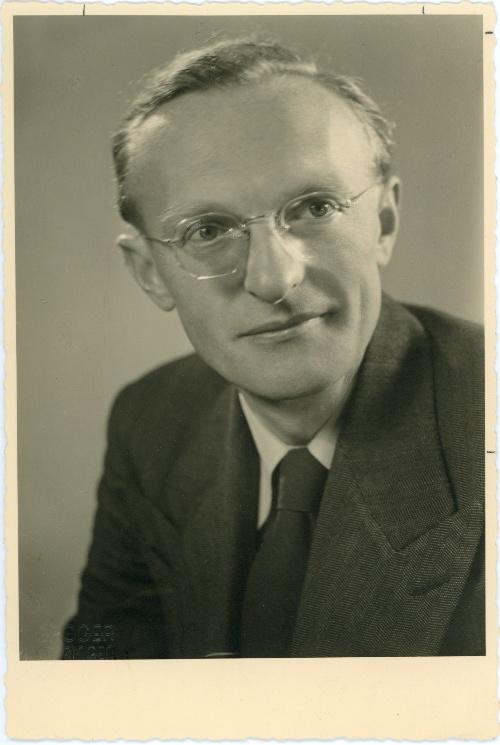
Portrait of Rev. Dr Helmut Rex, c1940
1956
In 1956 a new purpose-built wing (Hewitson Wing) of the College opens, designed specifically to house the Theological Hall. This provides much needed new facilities, including a new library space.
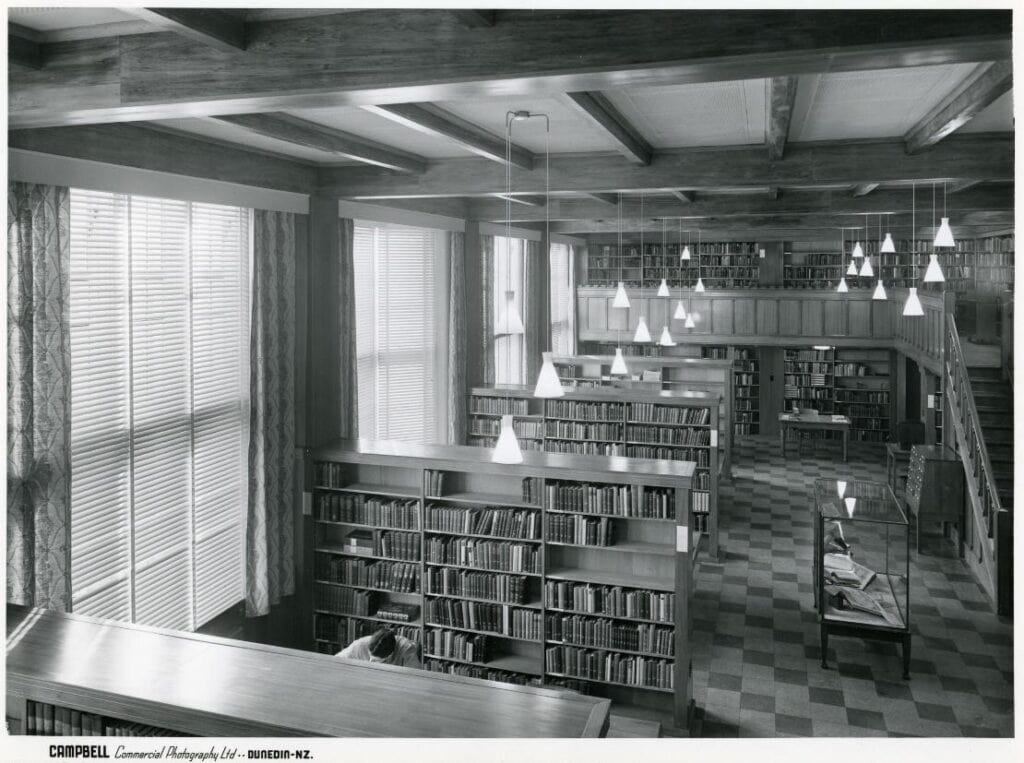
Hewitson Library, 1956
1961
Rev. Ian Breward appointed Professor of Church History at Knox College. Later, in 1975, he is elected moderator of the Presbyterian Church of New Zealand.
1963
Prof. Lloyd Geering appointed Principal.
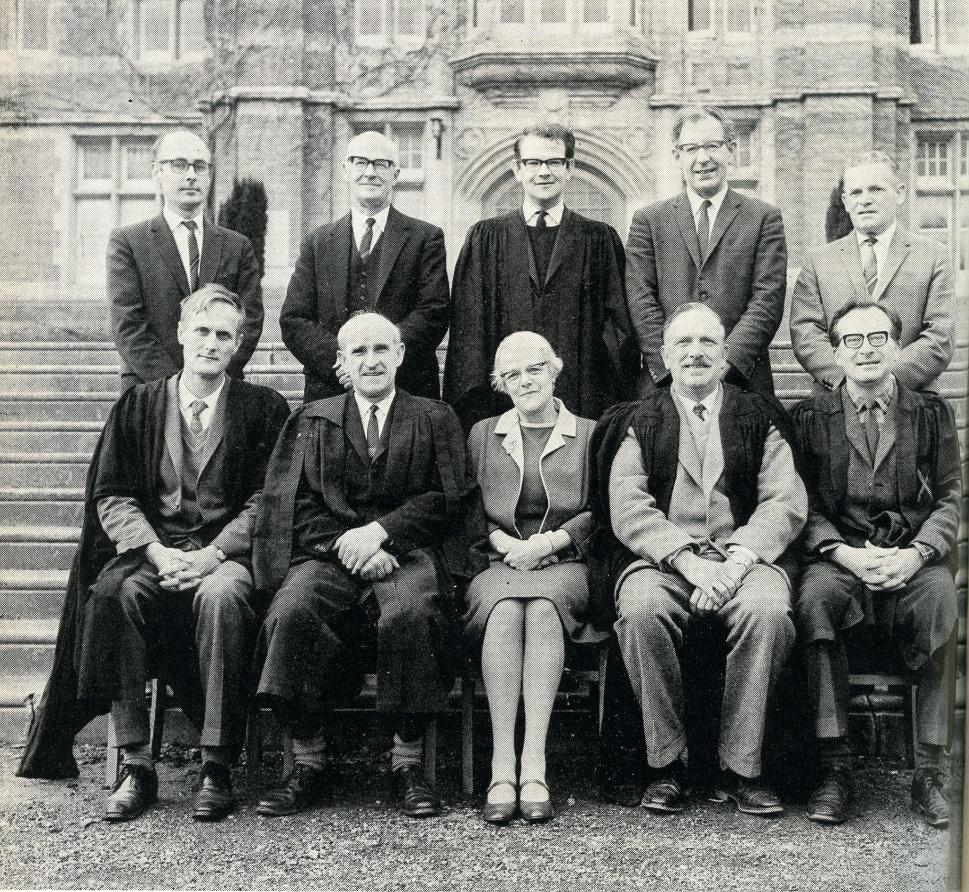
Staff of the Theological Hall, 1969
1965
The Ordination of Women
In 1965 Margaret Reid becomes the first woman to be ordained as a New Zealand Presbyterian minister. Although deaconesses had been able to take some courses at the Theological Hall, women are now able to enter the Hall to train for the Presbyterian Ministry.
1969
Increase in Pacific Students
In 1969 the Congregational Church merges with the Presbyterian Church of New Zealand. This brings a significant Pacific population into the Presbyterian Church and leads to a marked increase in Pacific students in the Theological Hall. By 1972, Pacific Island students make up 20% of the student body.
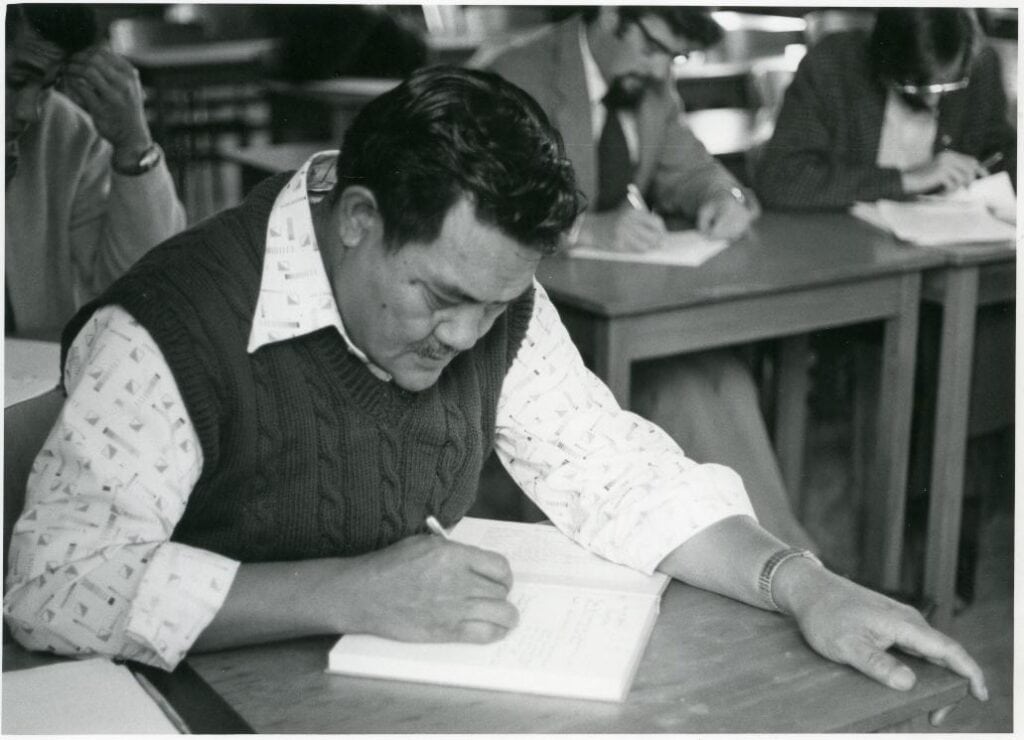
Alf Paea studying, 1977
1972
Te Wānanga a Rangi
When the role of the Māori Synod’s training institute at Te Wānanga a Rangi at Whakatane transfers to the Theological Hall, Māori ministry students also become part of the student body.
Rev. Jim Irwin appointed Dean of Māori and Polynesian Studies.
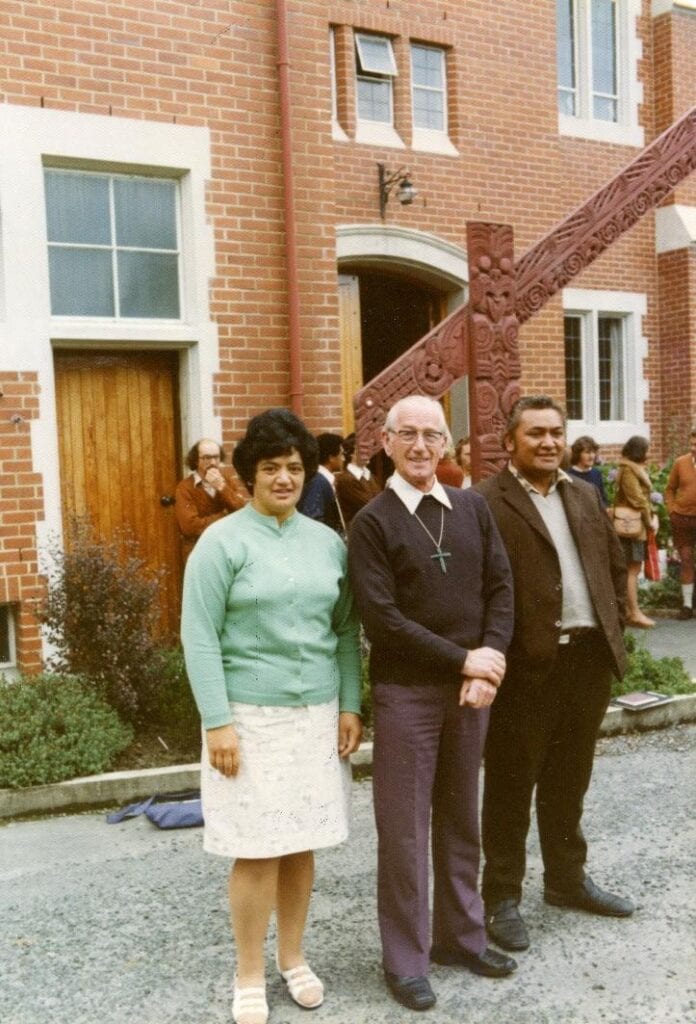
Rev. Jim Irwin with Rangi Heta and Kelly Hune, c 1972
Rev. Dr Frank Nichol appointed Principal of the Theological Hall in 1972. He is also Professor of Systematic Theology and Christian Ethics. The curriculum of the Hall evolves to put more emphasis on Pastoral Studies. Rev. Dr Nichol’s period shows a marked commitment to ecumenical and Presbyterian and Catholic relations, a new openness that continued.
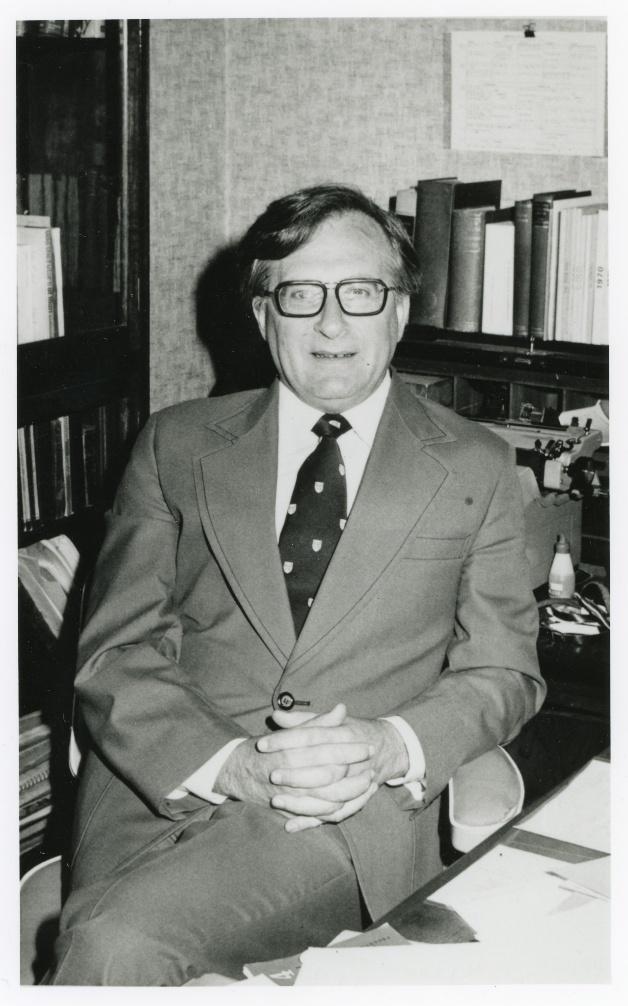
Rev. Dr Frank Nicol
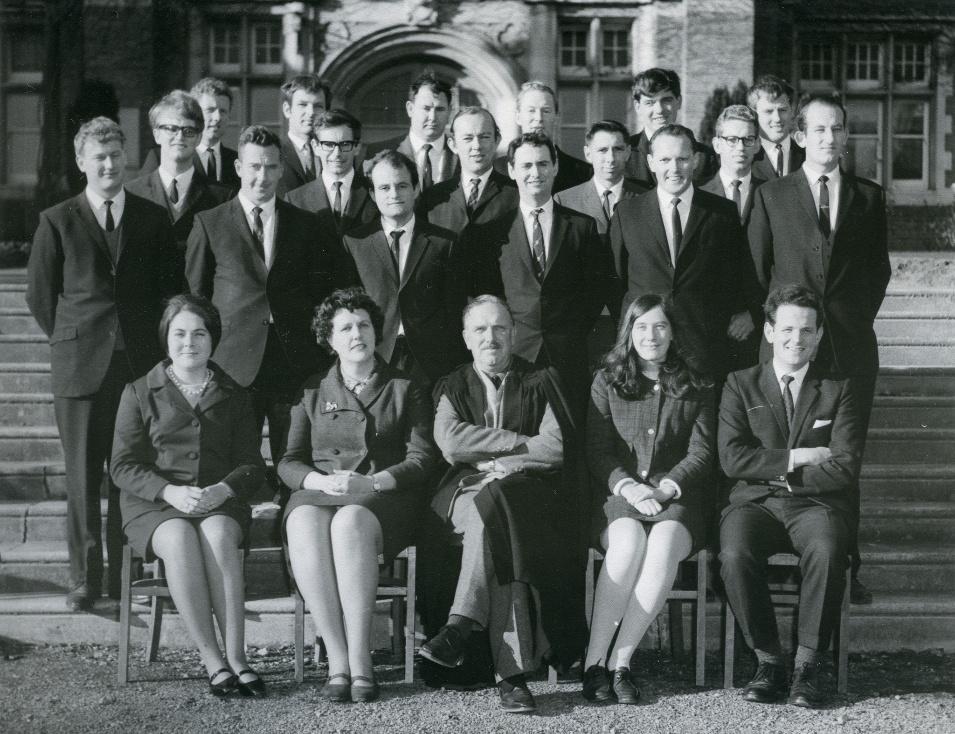
Theological Hall principal and students, c1971
1973
The generous gift of the maihi arrives at the Theological Hall.
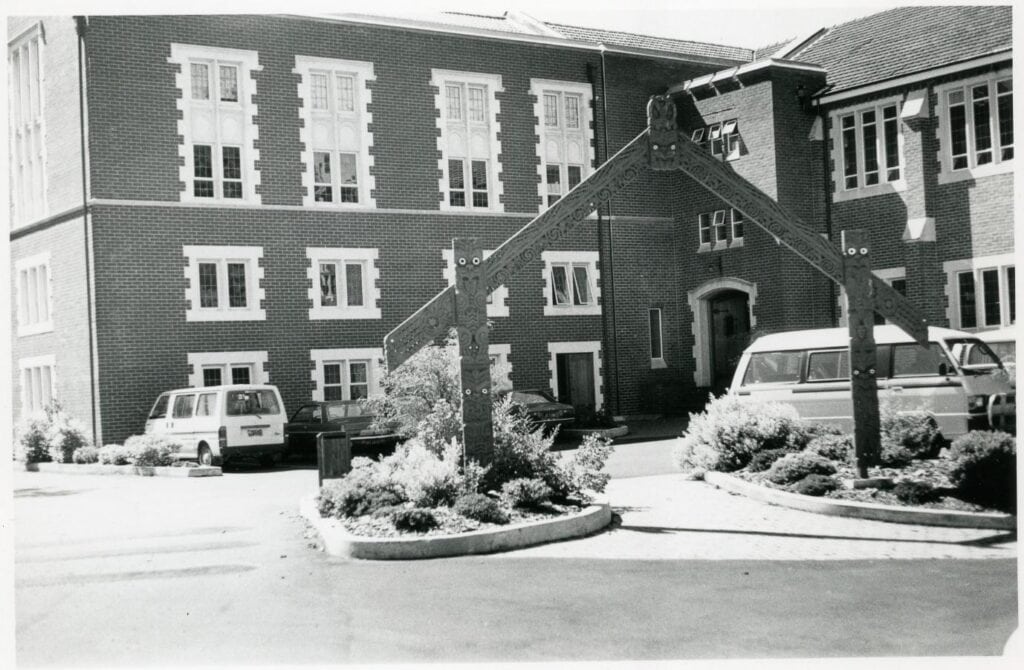
Maihi at entrance of Knox College
1977
Elaine Wooliscroft appointed as Administration Secretary and later redesignated as Registrar upon Rev. Dr Simon Rae’s (Principal 1994-2001) recommendation. Elaine retires from the role in 2005.
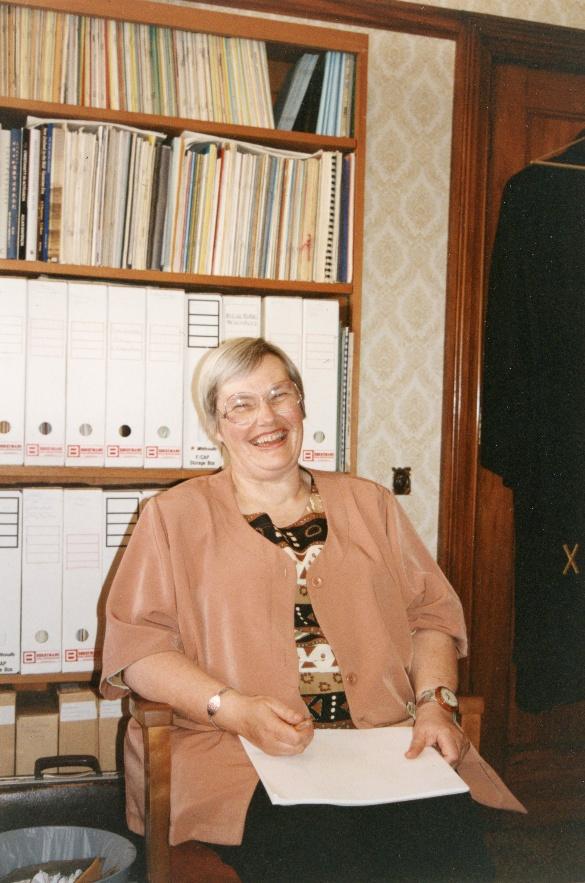
Elaine Wooliscroft, c1990
1981
Upon Rev. Jim Urwin's retirement, Rev. Ned Ripley appointed Dean of Māori and Polynesian Studies.
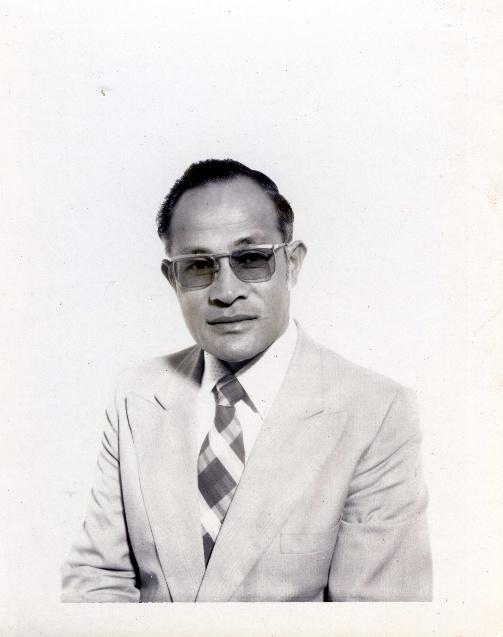
Rev. Ned Ripley
The title Amorangi (“Bearer of Heavenly Tidings”) is adopted by the Māori Synod to give official recognition to self-supporting ministers with the Synod. The Amorangi training programme, based at Te Maungarongo Marae, Ōhope, maintains a close relationship with the Theological Hall.
1982
Rev. Dr Peter Matheson, Professor of Church History, appointed and serves in this capacity until 1996. He later serves as Principal of the Theological Hall of the Uniting Church in Australia at Ormond College, Melbourne (1998-2004).
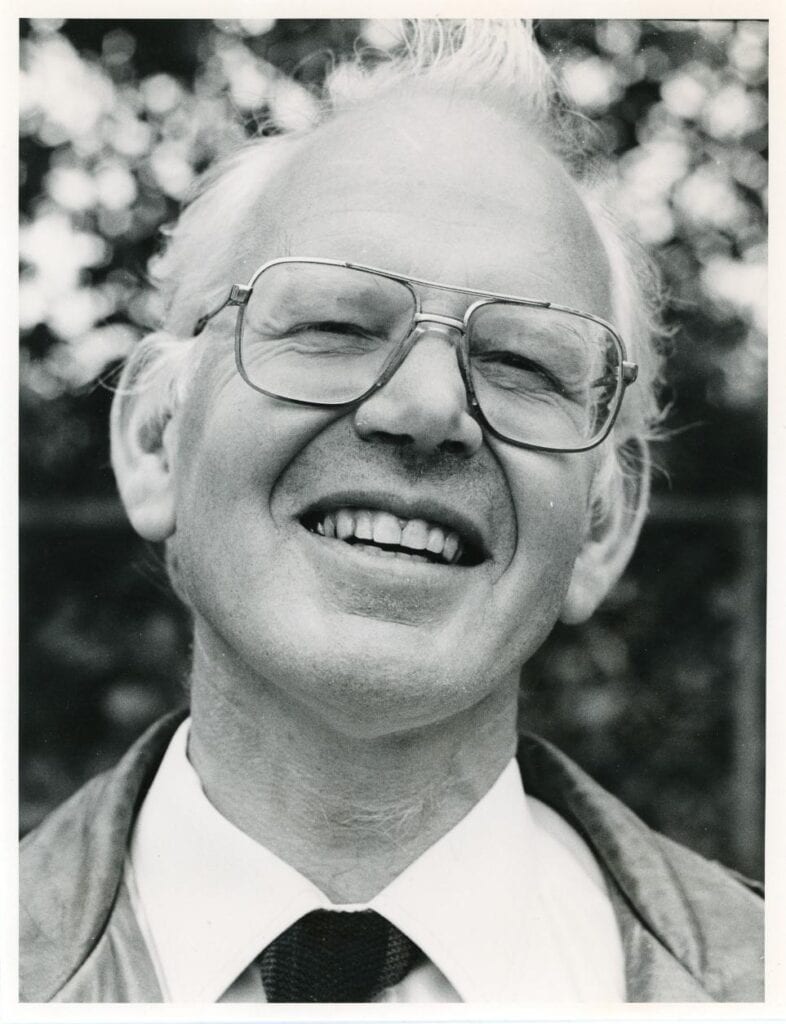
Rev. Dr Peter Matheson
1984
Shared classes comprising of Theological Hall and Holy Cross students commence on the University of Otago’s campus.
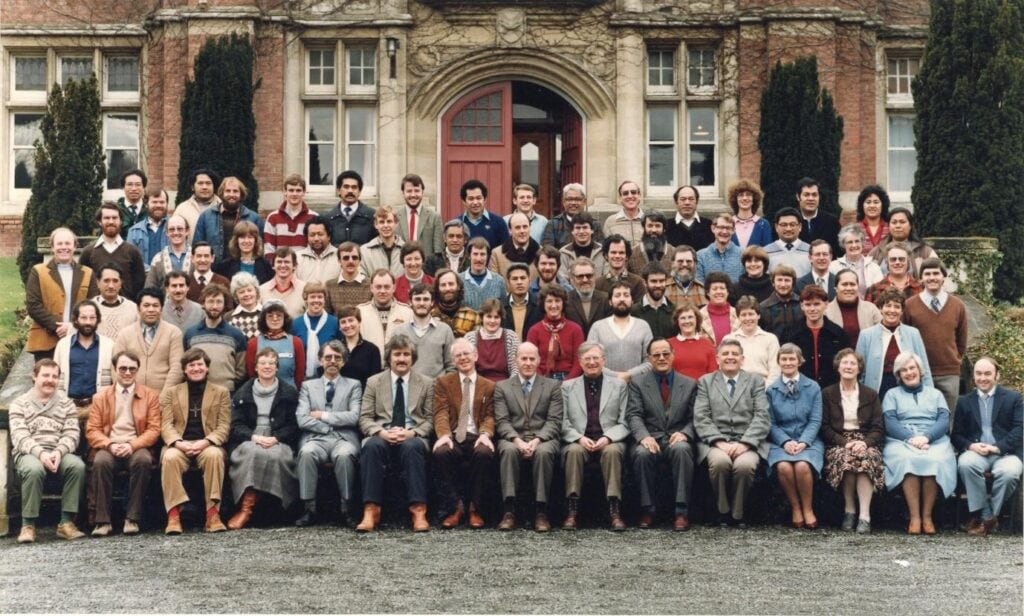
Staff and students of the Theological Hall, 1984
1985
Rev. Dr Maurice Andrew appointed Principal.
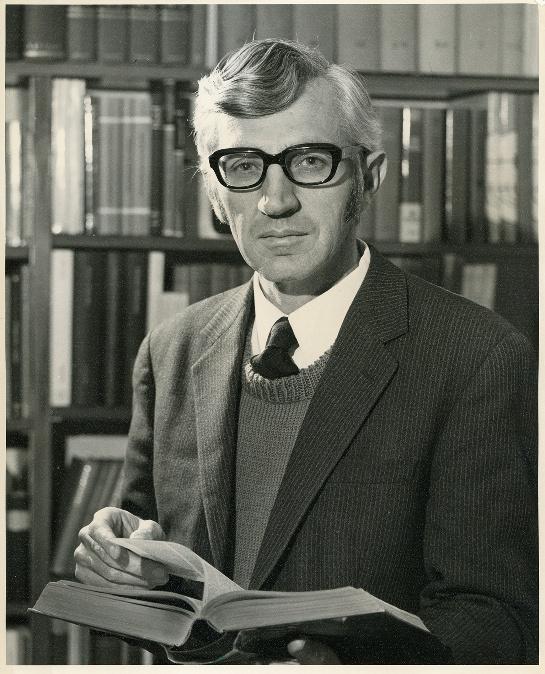
Rev. Dr Maurice Andrew
1989
Rev. Nan Burgess appointed acting Principal.
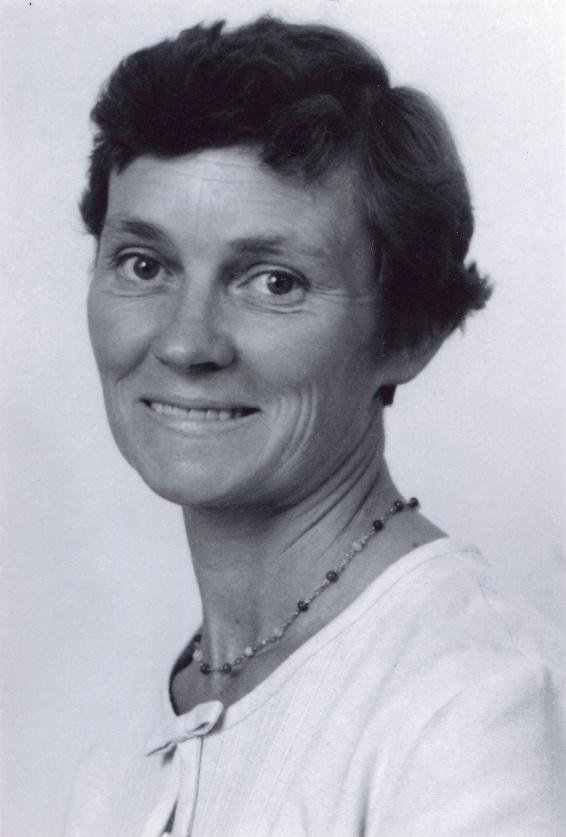
Rev. Dr Nan Burgess
1991
Very Rev. Alistair Rae appointed Principal.
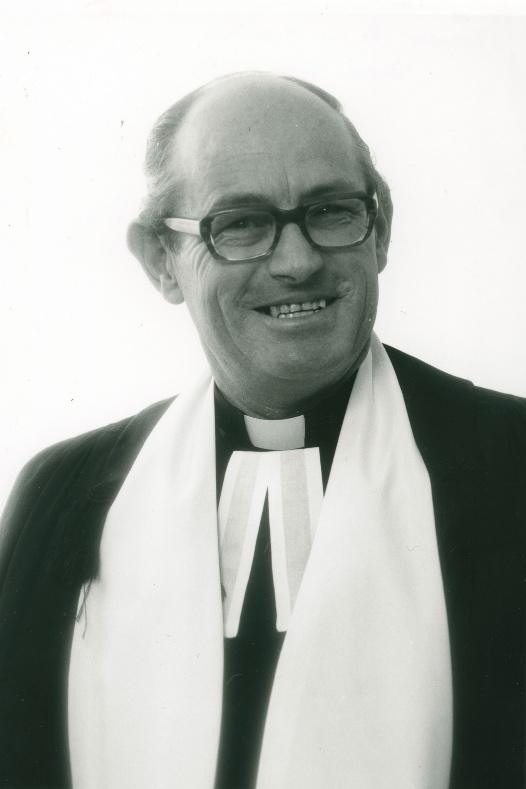
Very Rev. Alister Rae
Rev. Sonny Riini appointed Te Ahorangi ki te Hāhi (Māori Resource Teacher to the Church).
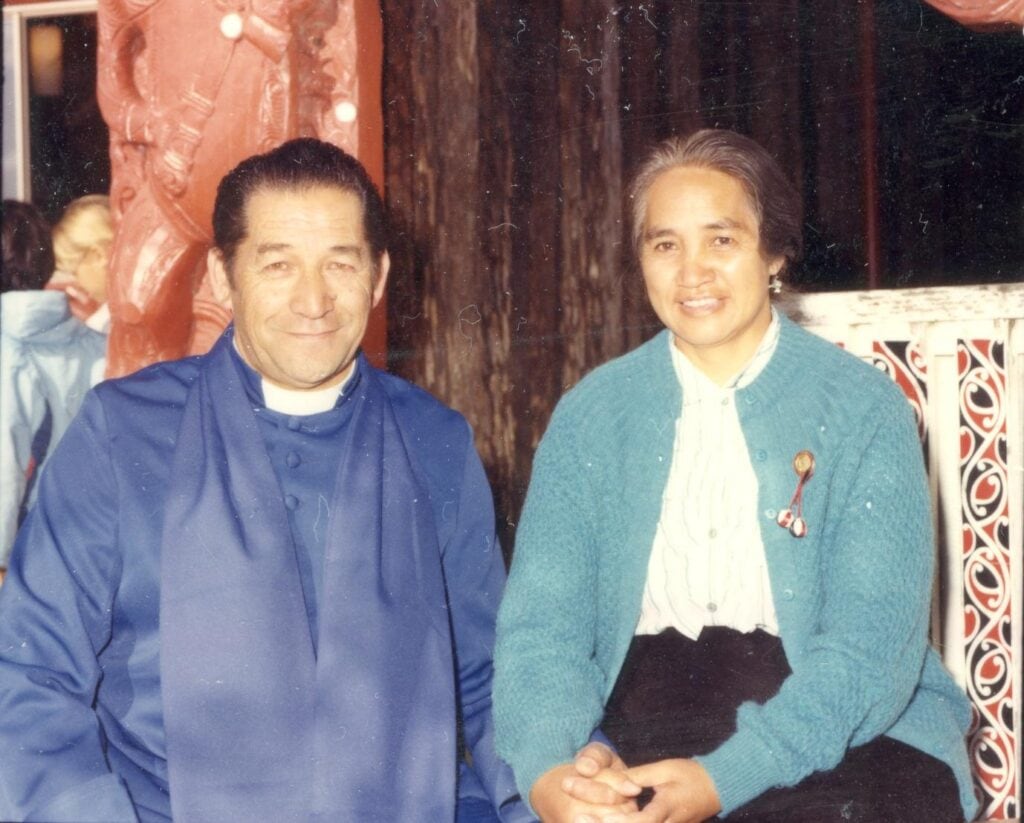
Rev. Sonny and Mona Riini
Rev. Marie Ropeti-Iupeli becomes Pacific Island Cultural Teacher to the Church.
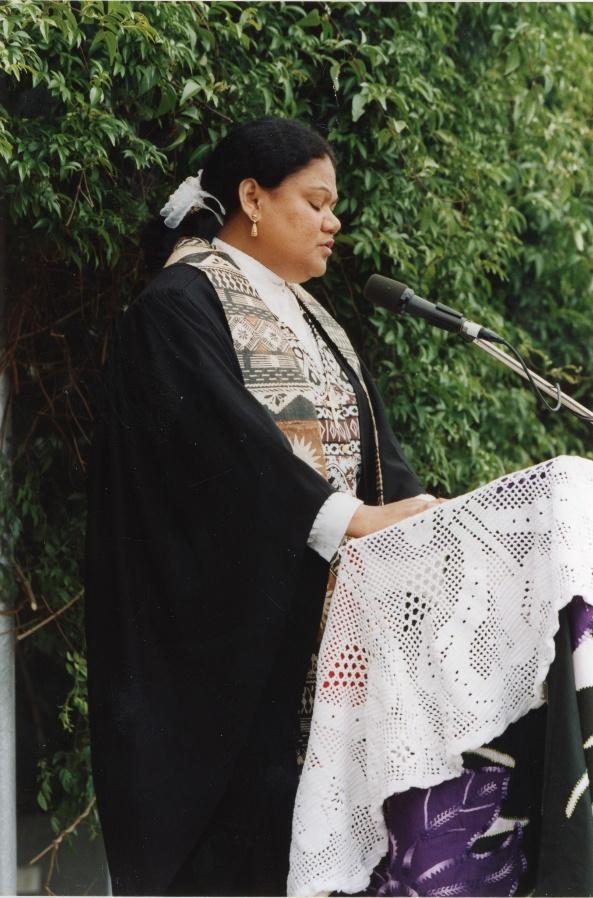
Rev. Marie Ropeti-Iupeli (now Ropeti-Apisaloma)
Community Based Ministry Training (CBMT) is launched and Rev. Dr Sarah Mitchell appointed Director of CBMT.
1992
An agreement is reached whereupon the University of Otago pays for the teaching and resources provided through Knox Theological Hall and Holy Cross College. As part of the agreement, the University is involved in staff appointments to help ensure academic standards and credibility of the theology degree programme.
1994
Rev. Simon Rae appointed Principal. Rev. Rae adds a significant Asian ecumenical dimension.
The School of Ministry 1996-2007
Students come in with a degree in Theology, so there is more focus on “Field Education” and reflection on practice is introduced. However, a number of courses are Otago University post-graduate courses so the academic focus is still central and being based in Dunedin means limited opportunities for practical experience.
1996
Rev. Dr Milton Coleman appointed Co-ordinator, Ordination Studies.
1997
Following changes in the relationship with the University of Otago in 1997, the Theological Hall becomes the School of Ministry.
Training is now a graduate programme for those who had already obtained a theology degree. In addition to the University of Otago, the PCANZ recognises other training providers to provide foundation theological studies. They include the Bible College of NZ (now Laidlaw College), Ecumenical Institute of Distance Theological Education (EIDTS) offering an LTh, and the Auckland Consortium of Theological Education (ACTE). In collaboration with the School of Theology at the University of Auckland, ACTE comprises of Carey Baptist College, the Catholic Institute of Theology (later Good Shepherd College and Te Kupenga), the College of St John the Evangelist (Anglican) and Trinity Methodist Theological College.
Rev. Dr Simon Rae sees the School through the transition period before returning to parish ministry in Easter 2001.
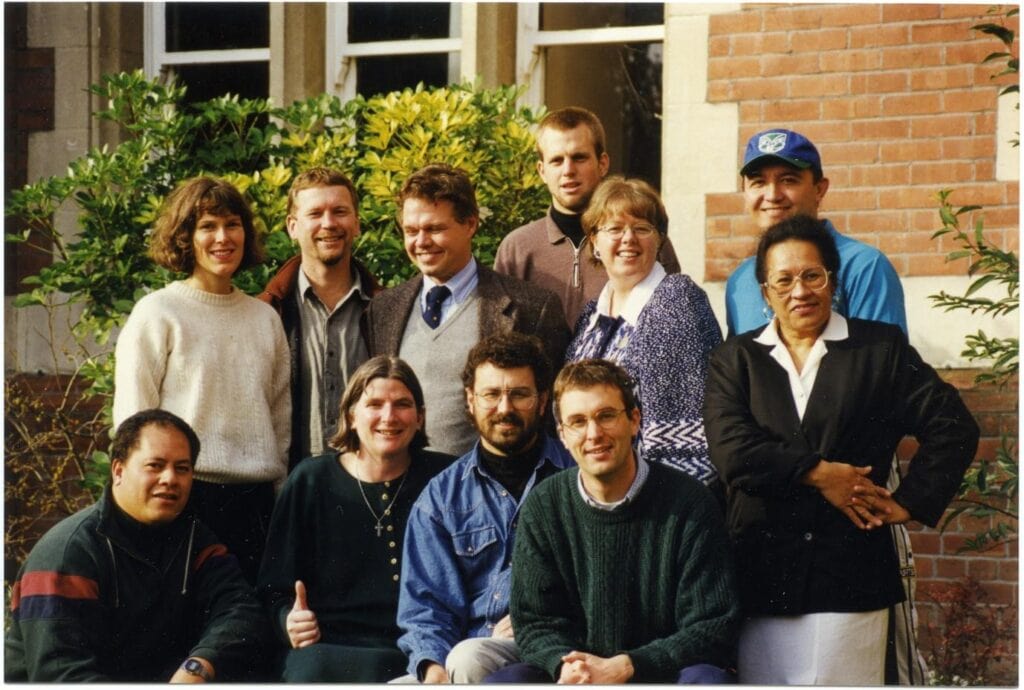
Group of staff and students from School of Ministry, c1997
1999
Responding to an offer from the Synod of Otago and Southland of $70,000 over the period 1998-2002, Assembly agrees to the establishment of a department of Lay and Recognised Ministry. Rev. Dr John Roxborogh appointed as Co-ordinator for the new unit.
2001
Rev. Neville Emslie appointed Principal.
2003
Rev. Dr Kevin Ward appointed to the faculty and later that year the role of Dean of Studies is created. Kevin is appointed the inaugural Dean of Studies.
2004
Carey Baptist College withdraws from ACTE, and is granted the right by the New Zealand Qualifications Authority to award degrees. Carey is recognised by PCANZ as an approved trainer for foundation theological studies.
2005
Rev. Wayne Te Kaawa commences as Te Ahorangi o Te Wānanga-a-Rangi.
The maihi, the carved archway that represented the presence of Te Wānanga a Rangi at Knox College, returns home to Te Māungarongo Marae (Ōpohe). This is in recognition of the renaissance of Māori theology in Te Aka Puaho.
Rev. Dr Kevin Ward appointed as acting Principal.
Maihi at entrance of Knox College
2006
Rev. Dr Graham Redding appointed principal. Rev. Dr Redding becomes Moderator of the General Assembly of the PCANZ in 2008–2009.
Knox Centre for Ministry and Leadership (KCML) 2007-present
The training is now based on internships in churches throughout New Zealand, with the aim of giving a greater focus on supervised field work in a breadth of ministry contexts. With the break with the University, the programme could be more practically oriented. The focus was formation of the whole person: character, theological and ministry skills.
2007
Following a major review there is a move to a congregation-based internship model of teaching, supported by residential block courses and distance learning. The School of Ministry is renamed the Knox Centre for Ministry and Leadership (KCML).
Rev. Dr Jason Goroncy appointed Dean of Studies and part of the role is the newly created Director of Local Ordained Ministry (LOM) and Local Ministry Teams (LMT) training.
2008
Presbyterian Church Schools Resource Office established by KCML, and Rev. Carolyn Kelly is the inaugural appointment.
A focus on congregational leadership training is advanced. Approximately 50 ministers are invited to create training workshops in their area of ministry expertise. These workshops are offered locally providing accessible and cost-effective training.
A Memorandum of Understanding is signed between KCML and Knox College to “work together with reasonableness and honesty of purpose to establish and maintain a relationship of mutual benefit based on goodwill, cooperation and partnership.”
2009
A covenant is signed between Te Wānanga a Rangi and KCML to recognise the collegial relationship between the two ministry and leadership training institutions.
Rev. Mark Johnston appointed as the first northern-based KCML faculty member (Auckland). This new development was to take advantage of the large population base, and ethnic and cultural diversity training opportunities in Auckland.
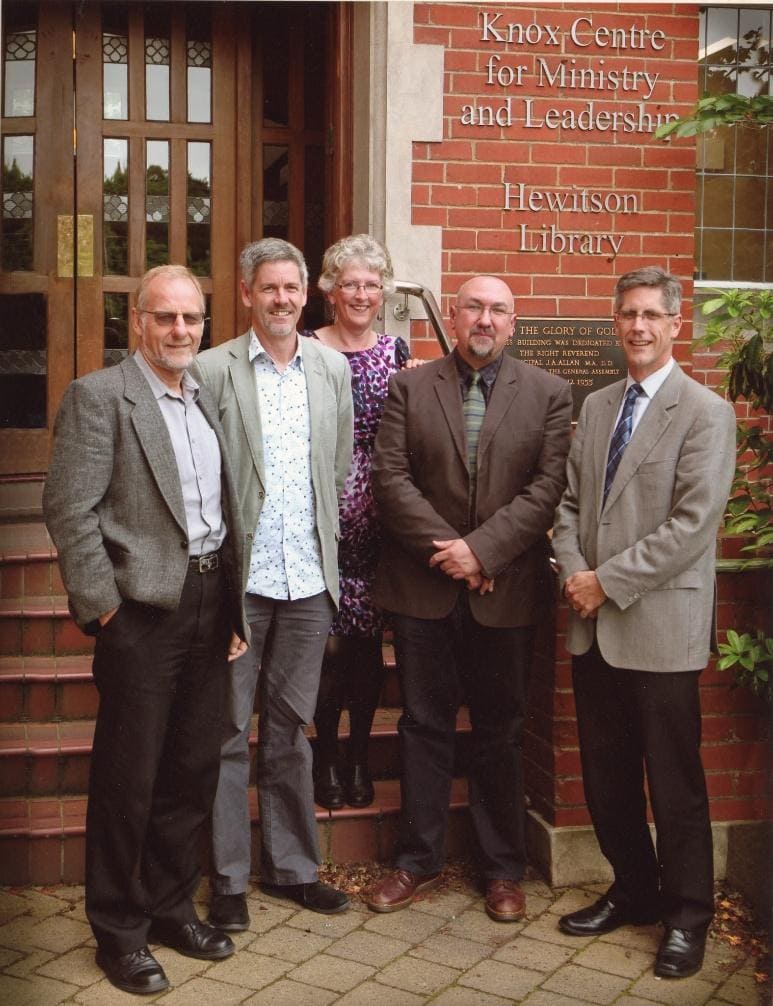
Staff of KCML, 2011
2010
KCML in collaboration with Presbyterian Youth Ministries and Student Soul (Dunedin) pilot a discipleship training event for young adults on Great Barrier Island (Auckland). Thirty-two participants attend.
2012
KCML offers music scholarships and song writing awards initiated.
2014
Rev. Malcolm Gordon appointed as “Worship and Arts Enabler.” Malcolm was initially based in Auckland and then relocated to Dunedin.
2015
Pacific Theological College (Suva – now Pasifika Communities University) approved as a training provider for foundation theological studies.
Rev. Dr Kevin Ward serves as acting Principal for a second time.
Rev. Dr Steve Taylor appointed as Principal.
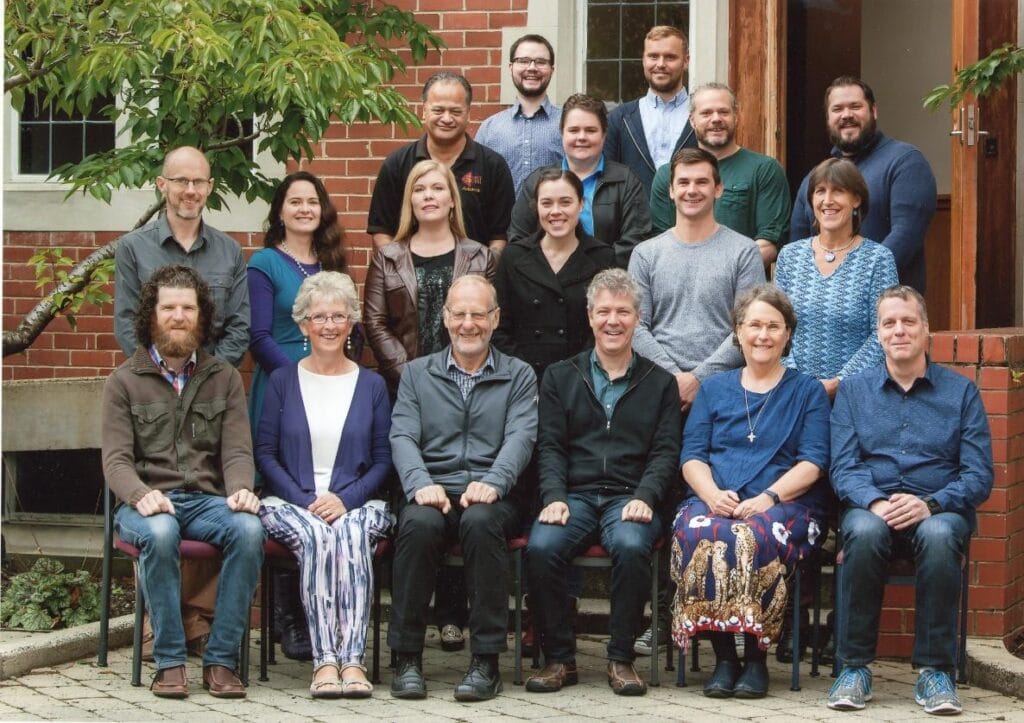
Staff and students of KCML, 2016
2016
Exploration and experimentation of mission initiatives (Mission Seedlings) involving National Ordained Ministry interns in Christchurch and Dunedin.
An annual gathering called “Lighthouse” is initiated for congregational members and leaders to explore and imagine missional initiatives for their local settings.
2020
Rev Drs Paul Prestidge and Feiloaiga Taule’ale’ausumai (Fei), and Rev Nikki Watkin are seconded/appointed as part-time/fixed term faculty. Rev Dr Darryl Tempero appointed part-time/fixed term management support.
2022
Rev. Dr Geoff New appointed Principal (acting Principal in 2021).
The 2022 Special Assembly debate the Theological Education and Leadership Training (TELT) review. Advertising for faculty can now commence. During the review period (2018-2022), no new permanent appointments were made.
2023
Presbyterian Youth Ministries (PYM) and Presbyterian Children and Families Ministry (PCFM) come under the oversight of KCML.
Rev. Drs Ivan Martinez (Dean of Studies), Andrew Nicol, Darryl Tempero and Rev Sebastian Murrihy are appointed to the faculty.
2024
KCML invited by Te Aka Puahou to assist in the teaching of Amorangi. A new two-year curriculum is developed. The teaching is delivered at Te Maungarongo marae at Ōhope and online.
Local Ordained Ministry (LOM) probationers are invited to attend residential block courses in Dunedin. These block courses are part of the training of National Ordained Ministry interns. The 2025 General Assembly decide to assign primary responsibility of LOM training to KCML. LOMs attendance at block course now become part of all LOM training and formation agreements.
With a full faculty in place again, training engagements with Presbyteries become a major part of the KCML's ministry.
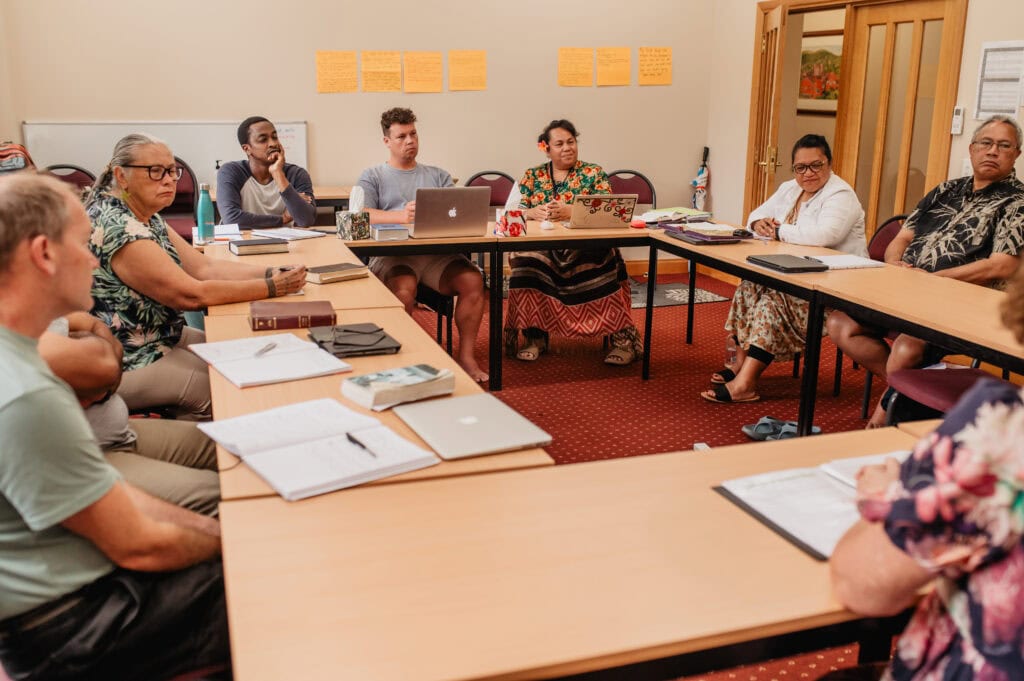
NOM Interns and LOM Probationers at blockcourse at KCML.
2025
Adjunct lecturers continue to be utilised to ensure breadth of experience and diversity in the teaching at block courses. Rev Dr Hyueen Kim (since 2016), Rev Nikki Watkin (since 2020), Rev Dr Jordan Redding (2022-2023), Rev Gary Mauga (since 2024), and Rev Dr Jono Ryan (2021-2024).
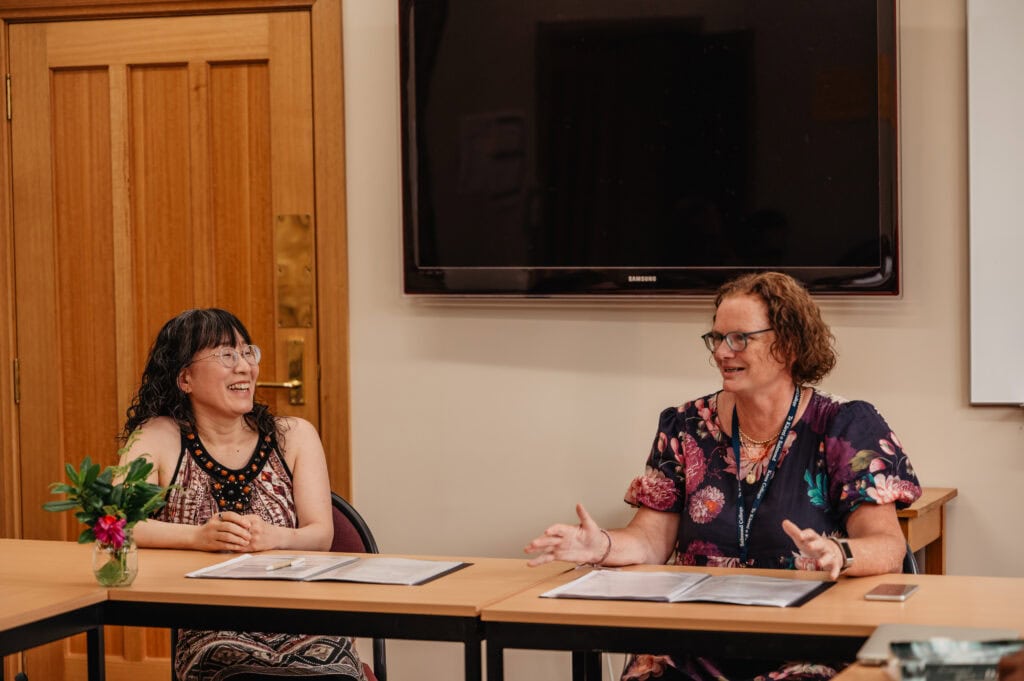
Adjunct lecturers Rev Dr Hyueen Kim and Rev Nikki Watkin teaching at a blockcourse.
2026
150th anniversary of the creation of Knox Theological Hall and its subsequent identities.