
The Magic Formula
By Darryl Tempero
I can tell you exactly where I was when it happened: driving down Peer St, just past the New World. I had been mulling over the formula for a while. It was tantalisingly close… but just out of reach.
Suddenly, there it was!
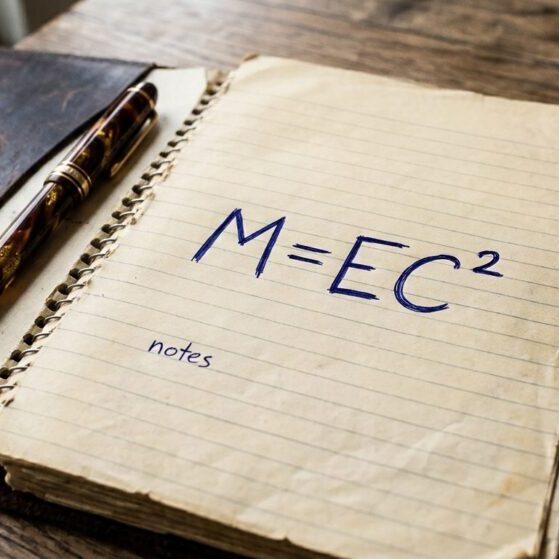
M = EC2
We love a formula, don’t we? Just tell us what to do. Give us the answer, the steps, the blueprint. It is especially helpful in the church environment. The way we have always done things doesn’t seem to work anymore, so we need a silver bullet.
Well, here is the formula. It is simple.
M = Method (what do we do and how do we do it?)
E = Essence (of the area we are exploring)
C2 = Context (1. the community of faith we are part of, and 2. the community we find ourselves placed in.
So what? I hear you ask.
Ok, let’s land this thing and give some practical ideas.
M – method. Reflect on this last. Leave this as long as possible, don’t even worry about it. Trust the work of the Spirit among you that you will know what to do (or who to ask) once you are down the track.
E – essence. Go deep into God’s story, listen to it, and reflect theologically to discover the true nature and essence of the area you are exploring. Ask around if you need help in theological reflection. For example; what is the essence of church? Why does it exist? Or of worship? Or of any other area that you are trying to figure out what you need to do? A simple way to achieve this is to describe in simple terms what it is. For example, finish the sentence – “The church is….”
C – context. At the same time as ‘E’, simply listen. Listen to your context, your congregation, your community, and to God. Notice where God is.
For example, you are thinking about church and what to do, first explore:
Essence (E): After some time reflecting on the big story of God from Genesis to Revelation, you may settle on the assertion that the church is “God and people in community with each other.”
Context (C): Then you listen to your people, and those in your town, and you realise that a deep human need is to know and be known, to love and be loved. And to simply belong.
Method (M): Then you explore your method – what you should do? What can we do that will nurture a relationship between God, people and each other? Do you feel like you belong? No? Let us talk about why that might be and attend to it together.
Simple.
But I’m not saying it’s easy.
After thought. Maybe it is obvious, but I believe the opposite is also true. If our method, or practice, does not express the essence of the area we are exploring, or relate to the context we find ourselves in, maybe we should stop doing it?